

ABOUT


Alexander Varvaridze is a visual artist (painter) with a distinctive approach to his art consisting of figurative shapes and colors. His portraits show him as an emotional painter rather than a realist, which gives him a lot of room for interpretation. Alexander’s abstract work mobilizes the tensions and harmonies between matte surfaces, natural patterns, textures built with layered surfaces of oil paint and additional mediums.
"When an artist is planning to create a new artwork, it first appears in the sphere of thought-form and subsequently manifests at the material level. Thoughts are material, as are other things in our world, but they vibrate on a higher level of frequency than our eyes are able to see at this period of our existence."
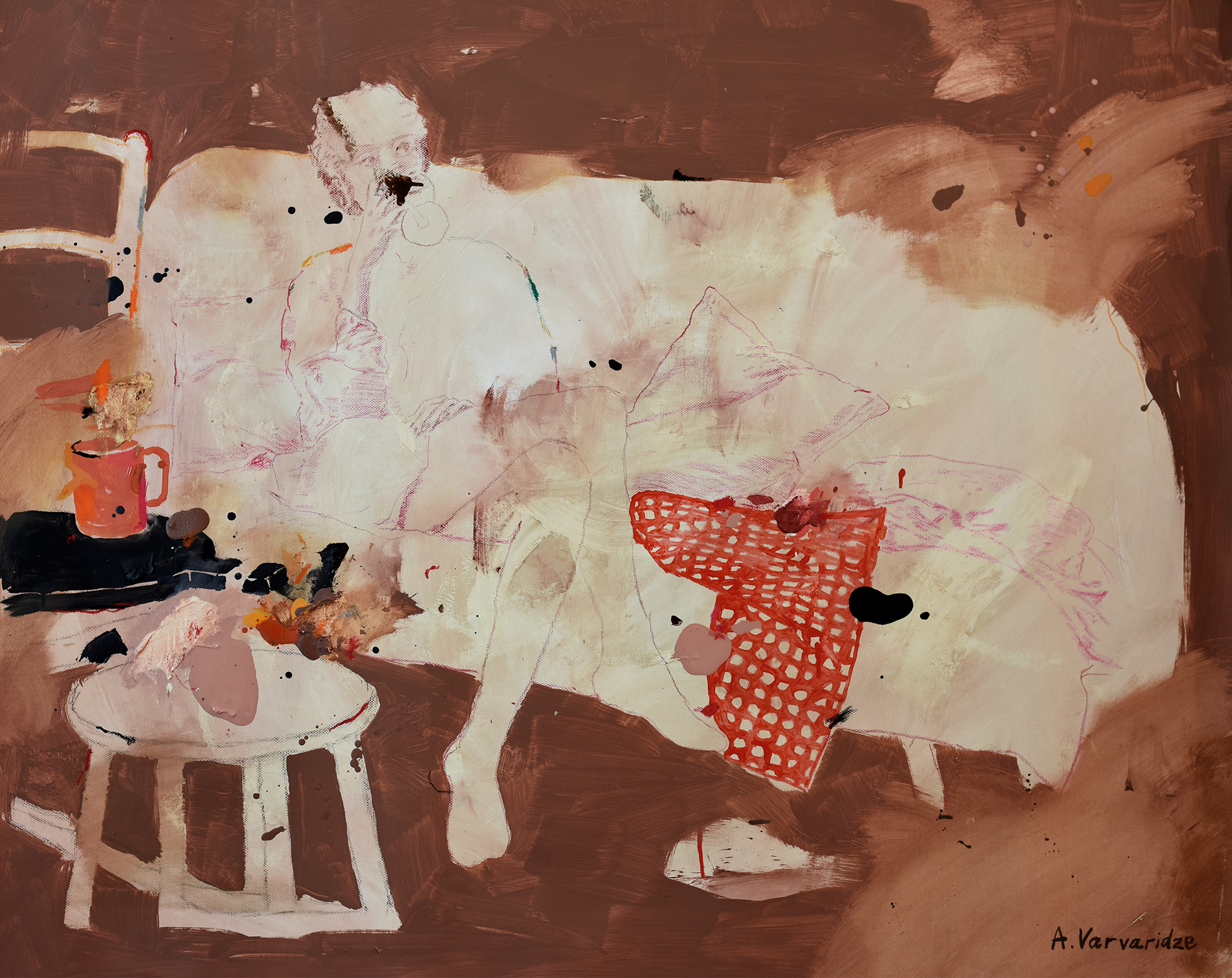
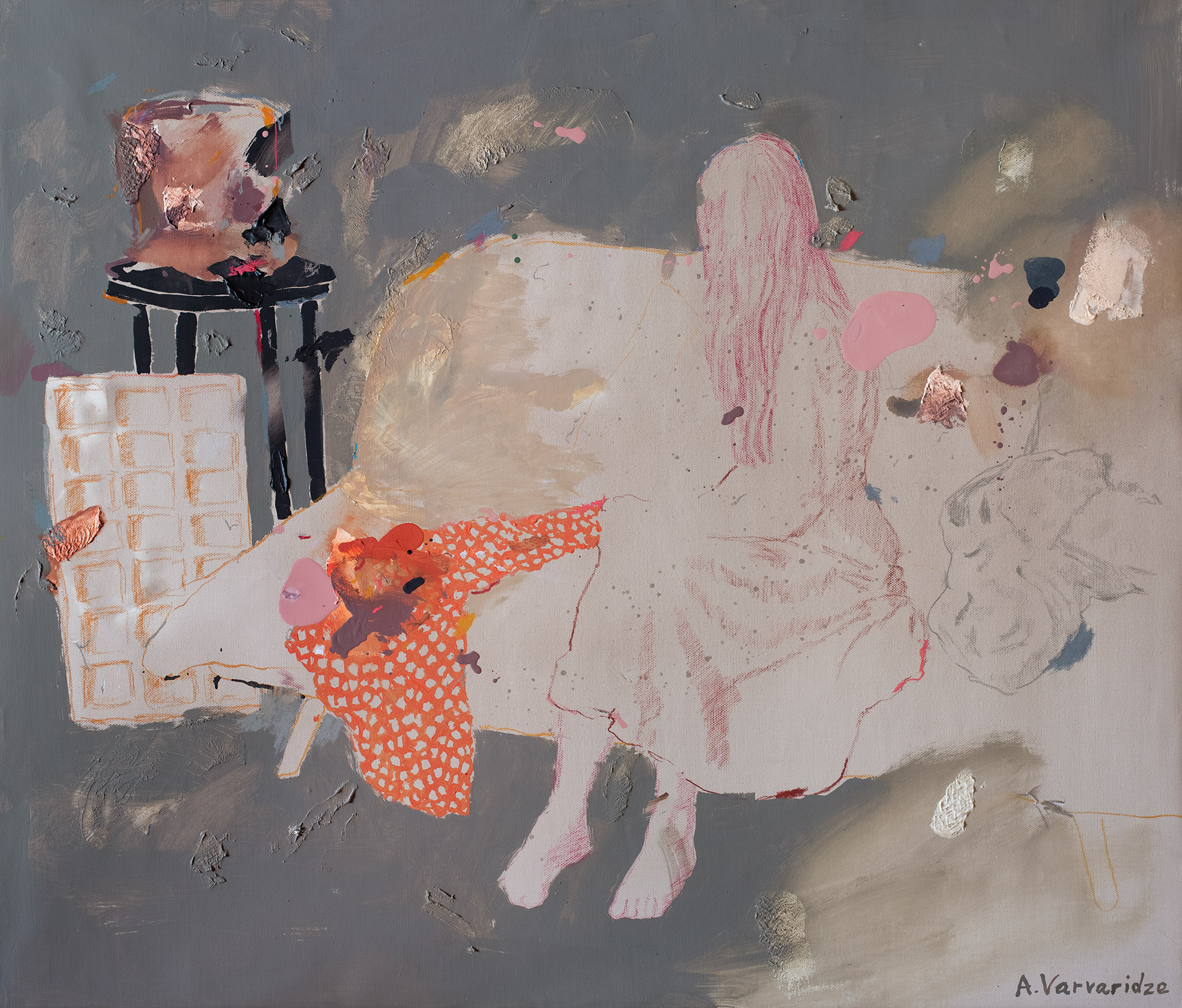
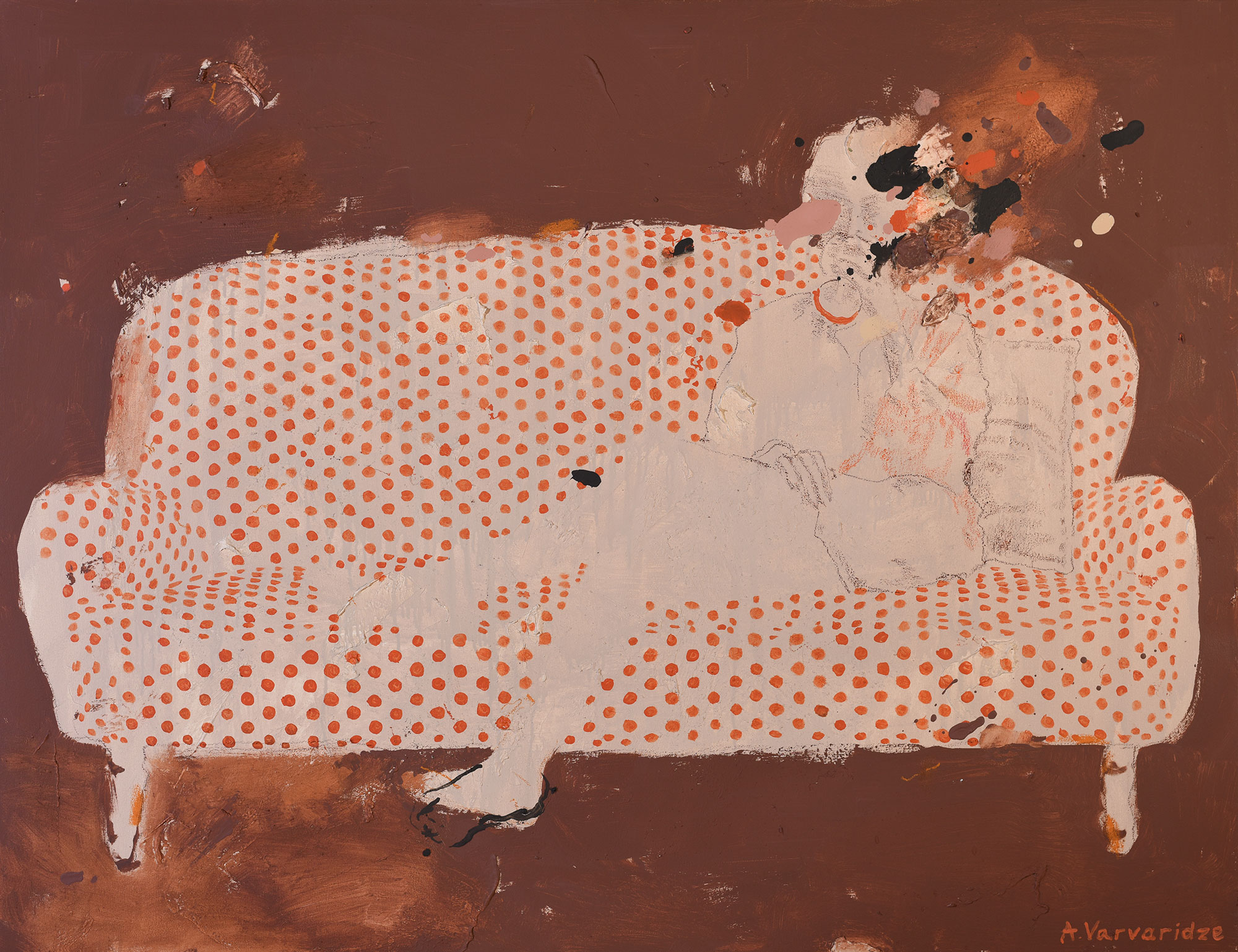
WOMAN ON A SOFA
The imagery within the 'Woman on the Sofa' series embodies concrete reality,
earthly existence, and moments of quiet self-contemplation.
The woman and the sofa are merged into a single architectural form.
It has a beautiful, ghostly quality where the figure seems to be dissolving
into the furniture and the atmosphere itself.
Various scenes and poses of woman create a sense of "submerged"
emotion — either deep rest, joy or a profound sort of melancholy.

Dual World
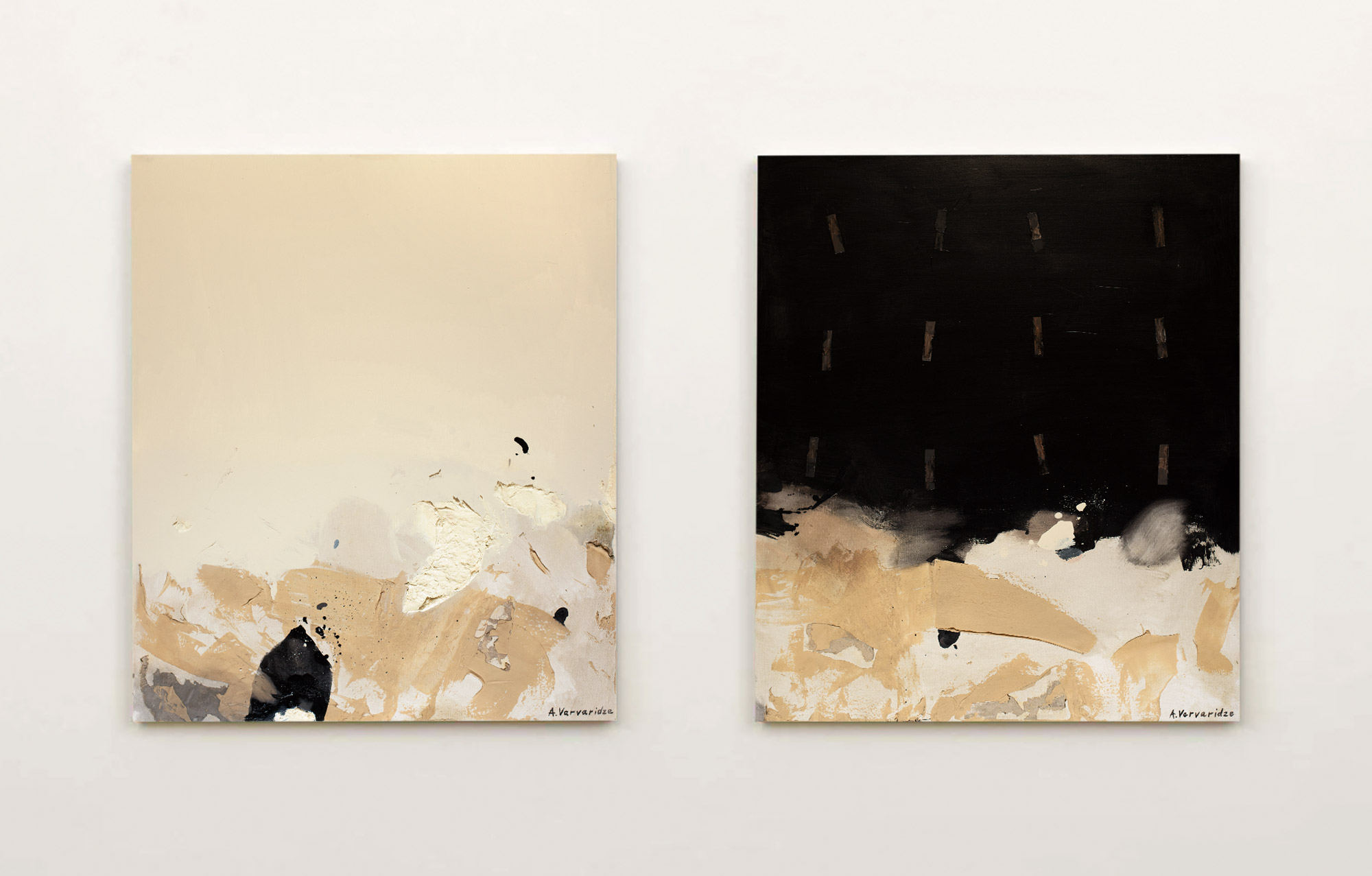
In the series of abstract works, Alexander Varvaridze explores the duality of being. Abstract canvases serve him to express the world of ideas, search for deep emotions and spiritual pursuits. It is a space of pure energy and meaning. As for his abstract works, which consist of two parts, they convey the dual principle of our world. Even though they are separated pieces of painting, they permeate each other and form one harmonious whole. In these artworks, the artist incorporates additional materials that give natural textures and create an interesting relief.
thought-forms
In this series of oil paintings, the artist explores the invisible topography of the human mind, translating psychological states into visceral physical presence. By anchoring each piece with the recognizable posture of a clothed figure, he establishes a familiar social reality. However, this structure is intentionally disrupted where the face should be.


